

ceramics and mediality
Ceramics and Mediality
An introduction to the arts and ceramics of Ekta Bagri
for #IV. the medium is the message?
Differens Magazine, winter 23/24
Ekta Bagri is a ceramist and visual artist. Central to her practice is an exploration of clay as a material and a medium. Clay is both a material with its own principles and aesthetic qualities and a medium showcasing human’s relation to earth, exposing historical and political practices of exploitation and coexistence. Through Bagri’s work, human’s connectedness to Earth is made visible.
A central part to Bagri’s practice is researching and experimenting with waste materials. By using soils sourced from construction sites, wild clay found in nature, or by making glazes out of found materials such as animal manure and crushed seashells, she aims both to create a more sustainable art practice and to showcase the aesthetic values in often neglected materials.
By including sound and video elements in her installations, she plays with the traditional conception of ceramics, opening it for further research and reminding us of its transgressive potential.
Ekta Bagri has a BA in Fine Art and History of Art at Goldsmiths University of London, and a MA in Ceramics and Glass at Royal College of Art, London. Her work has been shown at, among others, Boomer Gallery, Saatchi Gallery, Clerkenwell Design Week, Melt Club, Chrom Gallery and Art Bypass Gallery.
We are very pleased to present an excerpt of her work in the fourth issue of Differens Magazine, The Medium is the Message?
The Clay Cycle, 2023
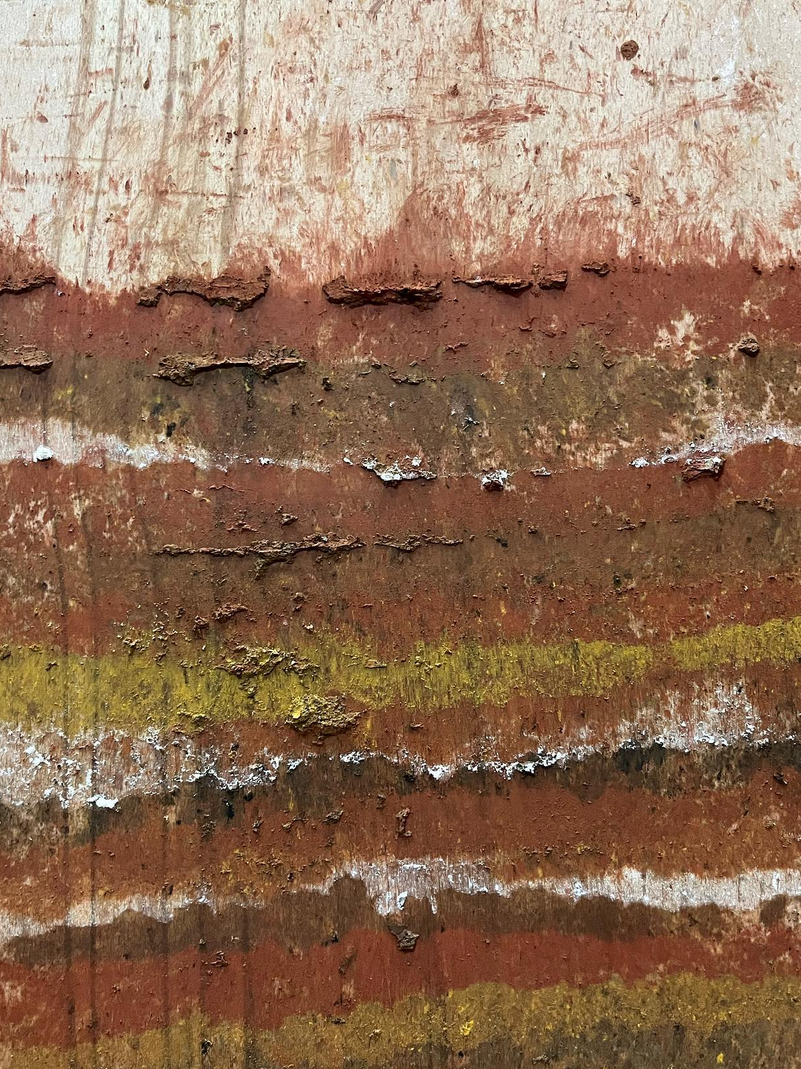
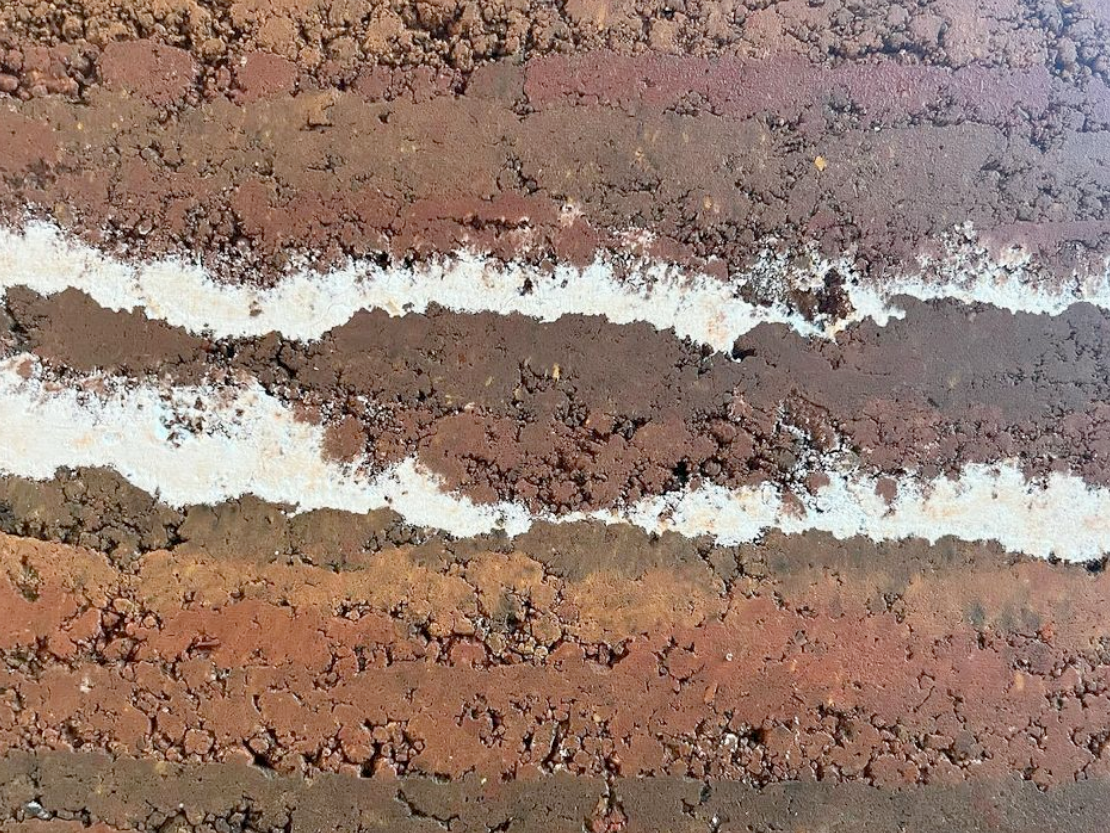
The Clay Cycle is a series of works where the artist has used ancient construction techniques to press layers of unburnt clay into a mold, thereby forming blocks and walls in which the raw character of the earth is preserved and made visible. Made out of locally sourced materials from places such as construction sites and gardens, the pieces tell a story of their material origin while showcasing earth’s often overlooked aesthetic qualities. By not being fired, the clay can be reused. In this way, the artworks are only one phase of the clay’s life cycle.

Landscape, 2021
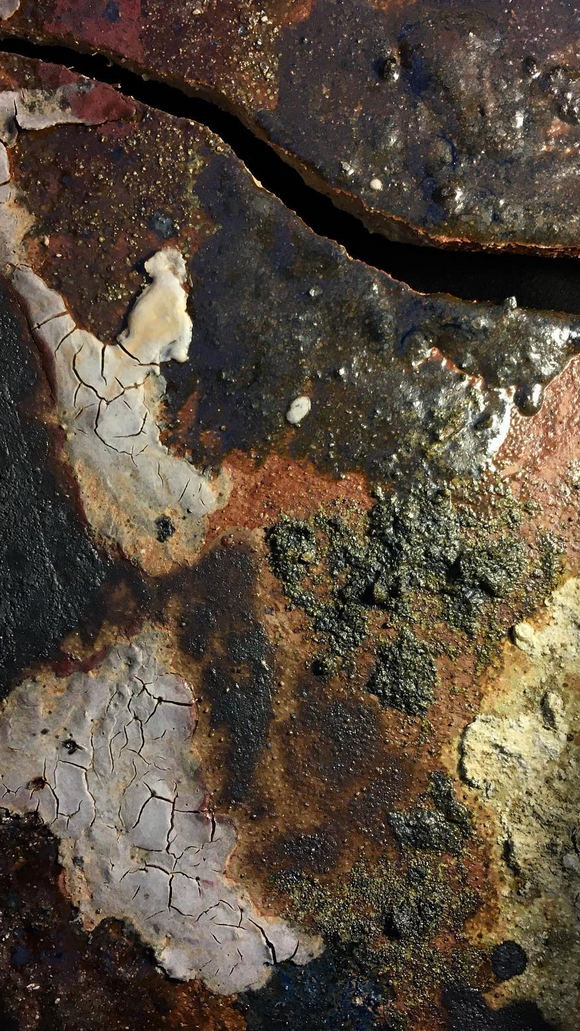
The Landscape series are made by firing pieces with wet clay and glazes, creating ‘controlled accidents’ in the kiln. Usually when firing ceramics, the material is supposed to be devoid of any moisture to prevent it from cracking or exploding. Here, the material is allowed to act in unpredictable ways.


Crust, 2022
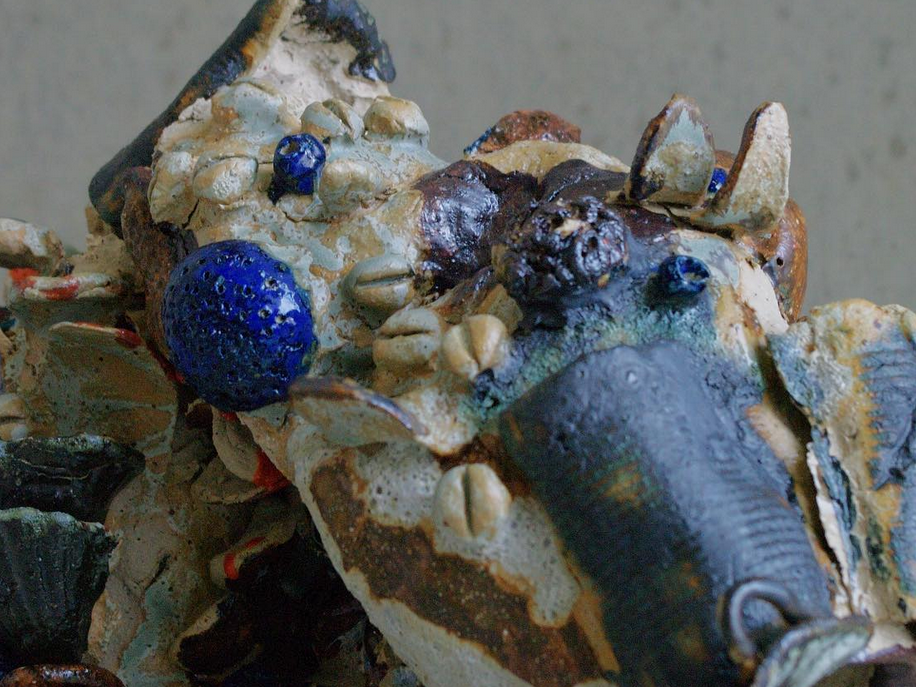
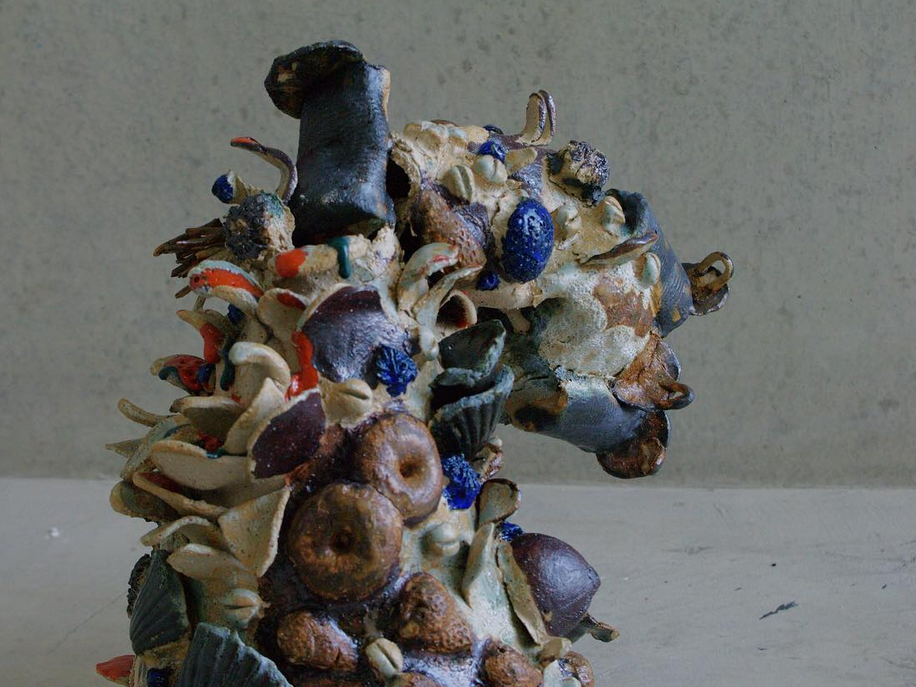
Crust, 2022 and Sculpture, Untitled, 2022 are both made out of recycled clay from Wimbledon Village construction site, animal and agricultural waste, ashes and waste clay. The glazes are made from crushed sea shells, rice husk, wood ash, nettle, river clay, mountain dirt and sheep manure.

Untitled sculpture, 2022


What happened to the tomatoes?, 2022
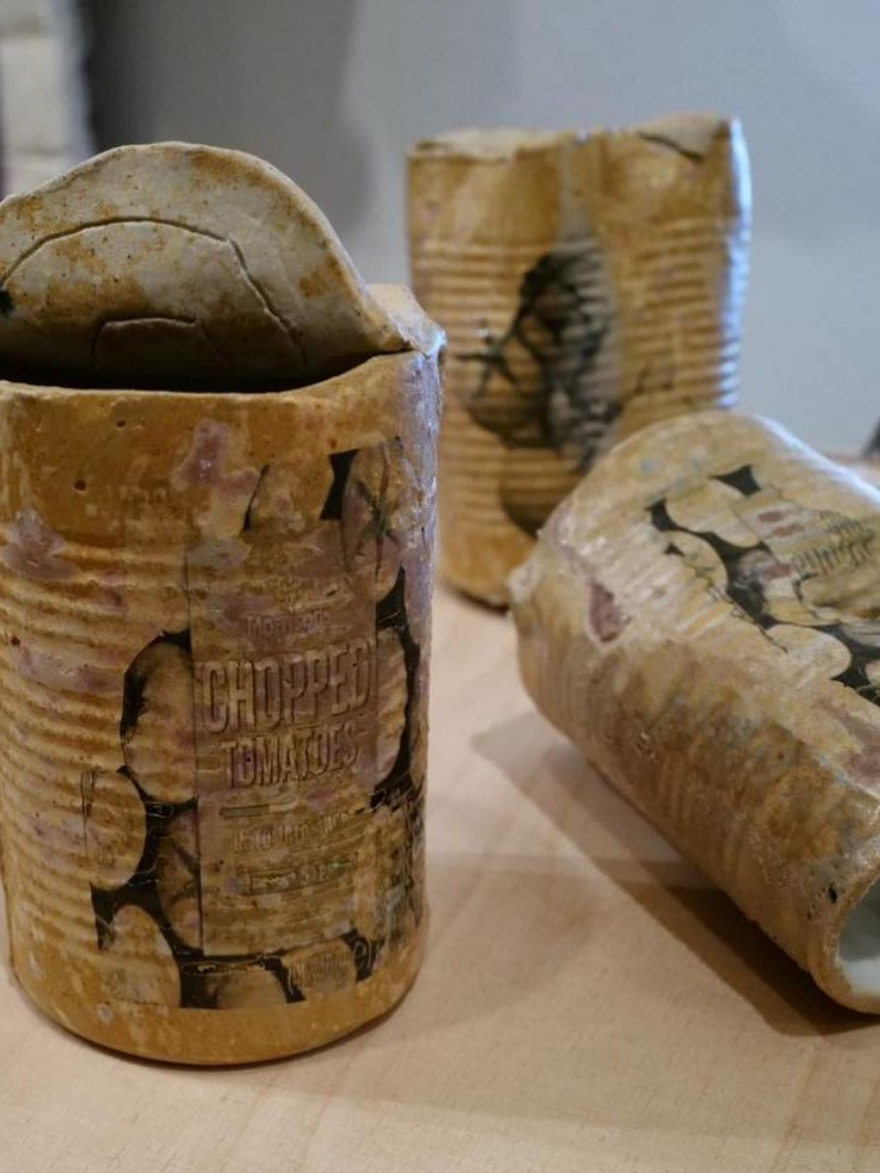
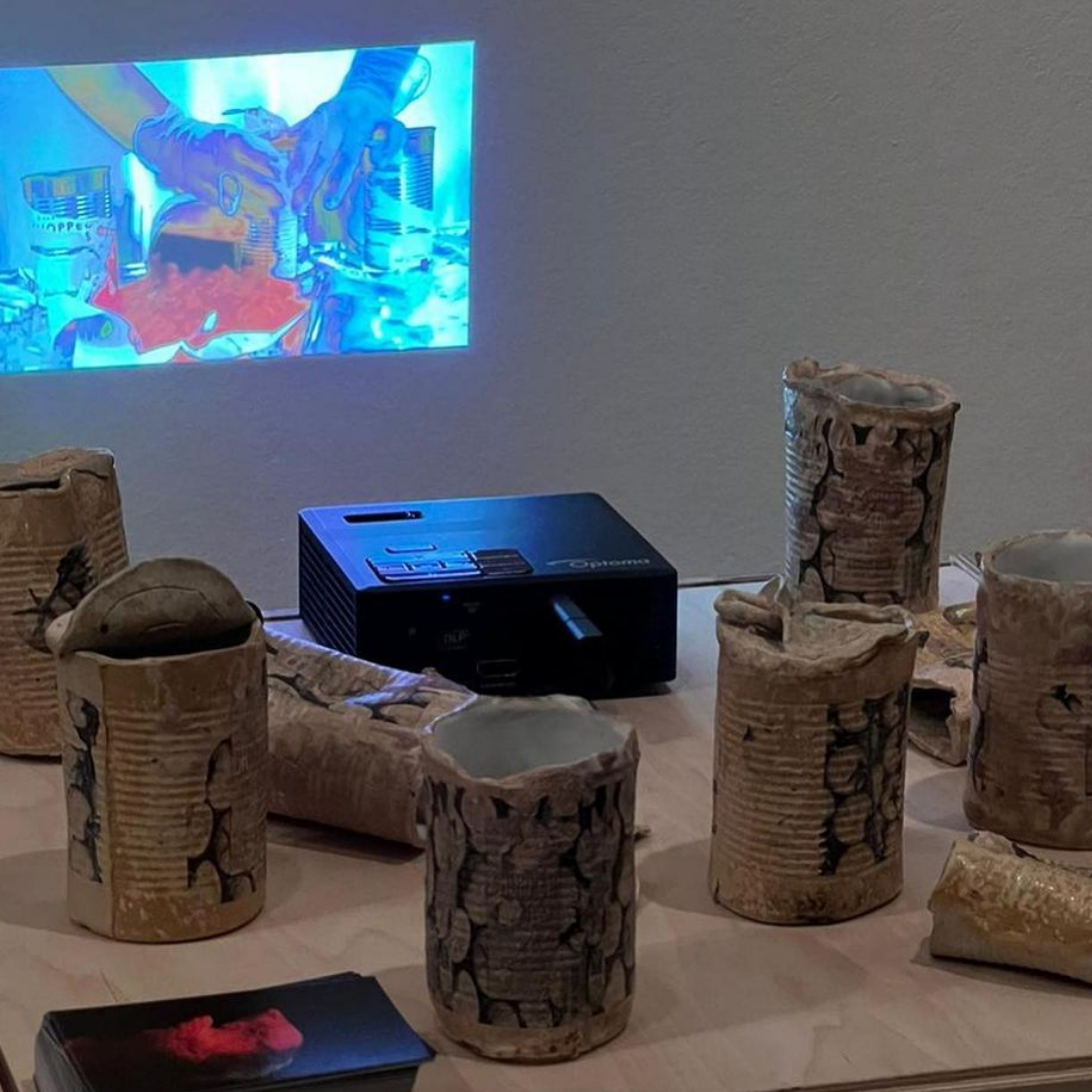
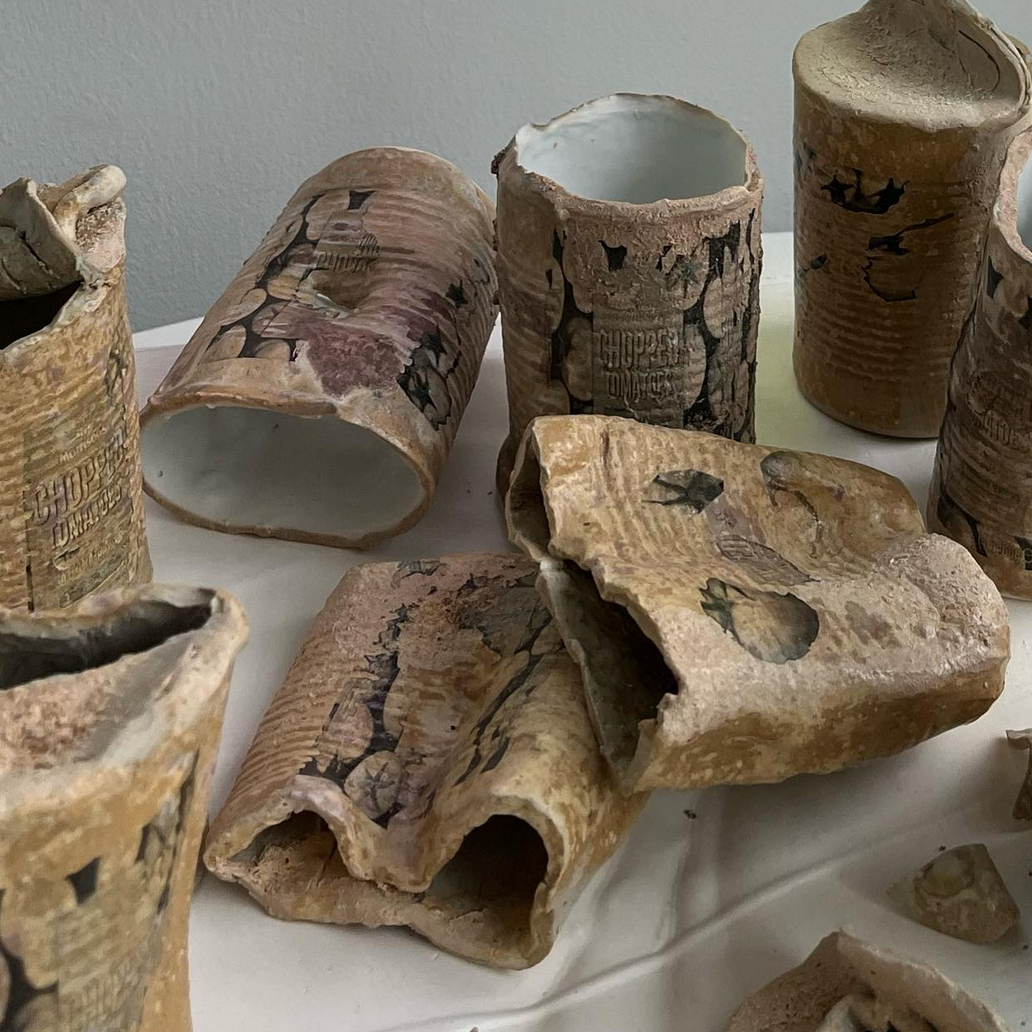
Returning to the issue of waste but now from the perspective of food consumption, What happened to the tomatoes? confronts us with what looks like rusted tins of canned tomatoes. This time, however, the tins are made out of clay, asking us what happens to them after we have thrown them away. The ceramic pieces are accompanied by a video and sound installation of exploding tomatoes.

Memory of nature, 2023
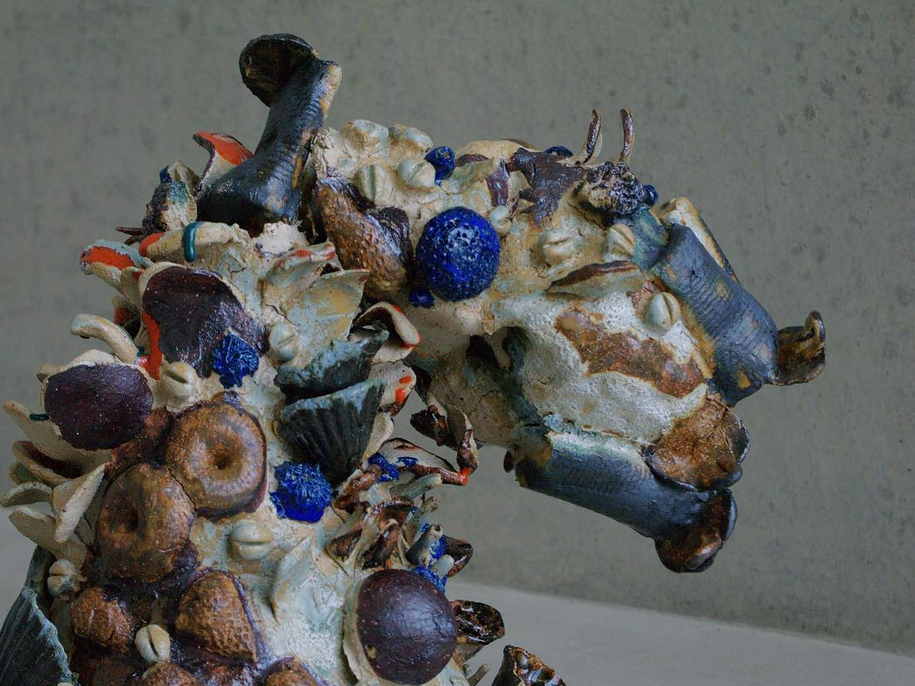
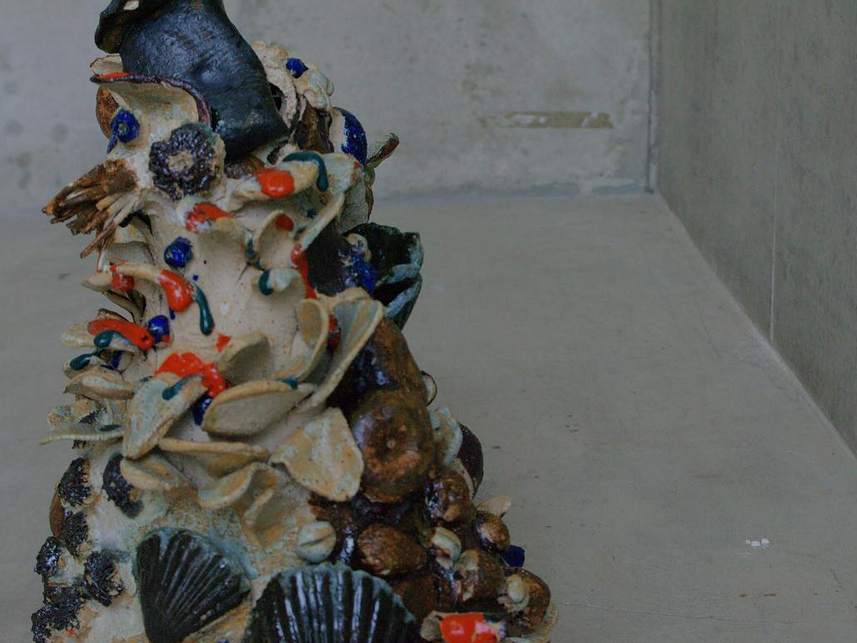
Memory of nature shows a distorted and almost chaotic picture of nature. The sculpture sweeps in like a wild wave, taking with it both organic and human made objects. Again returning to the question of the human – nature relationship.
Folded Ceramics, 2020
Exploring clay’s malleability, the pieces form into wave-like shapes, almost appearing frozen mid-motion.


