
#v. ugly housing / housing aesthetics
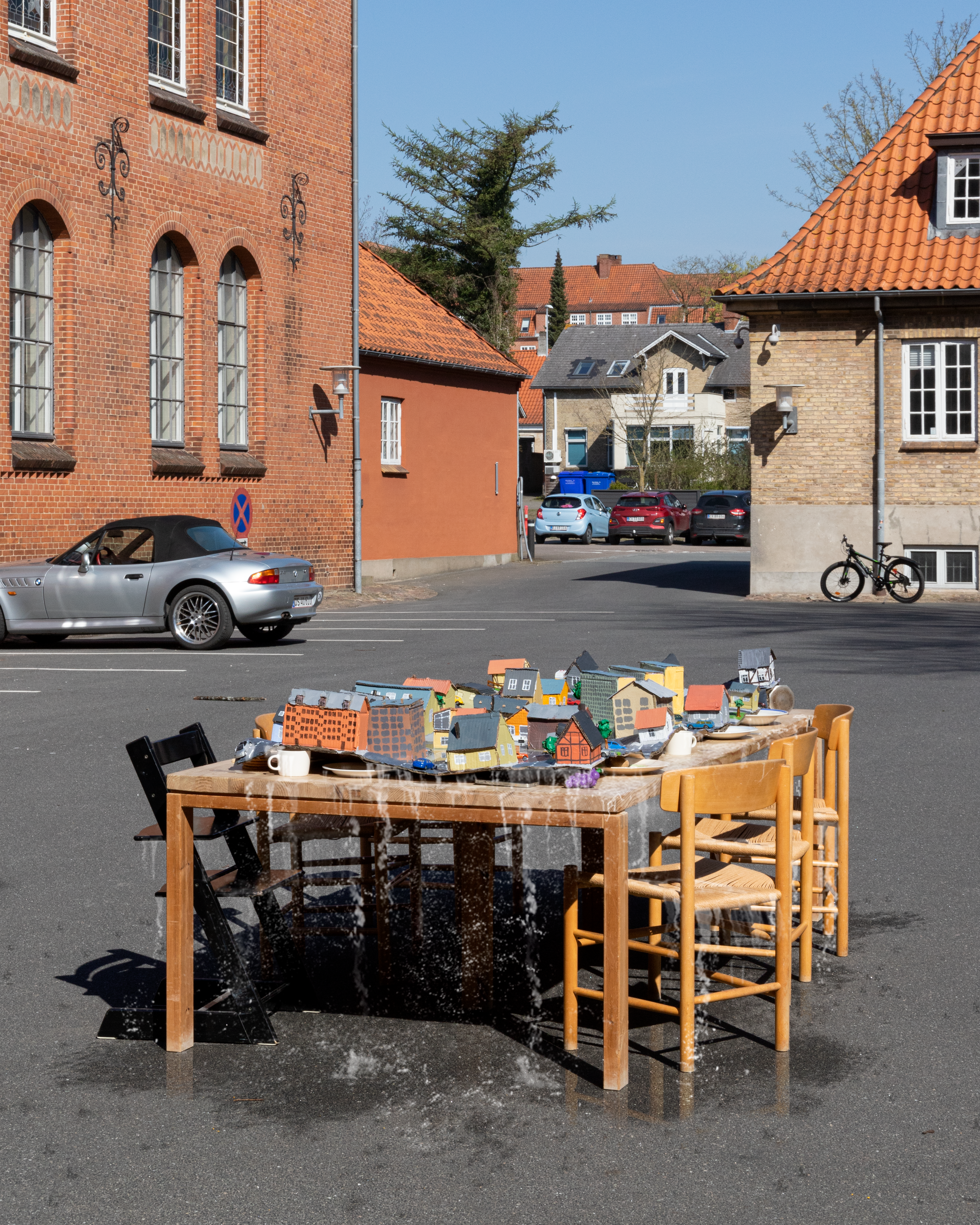
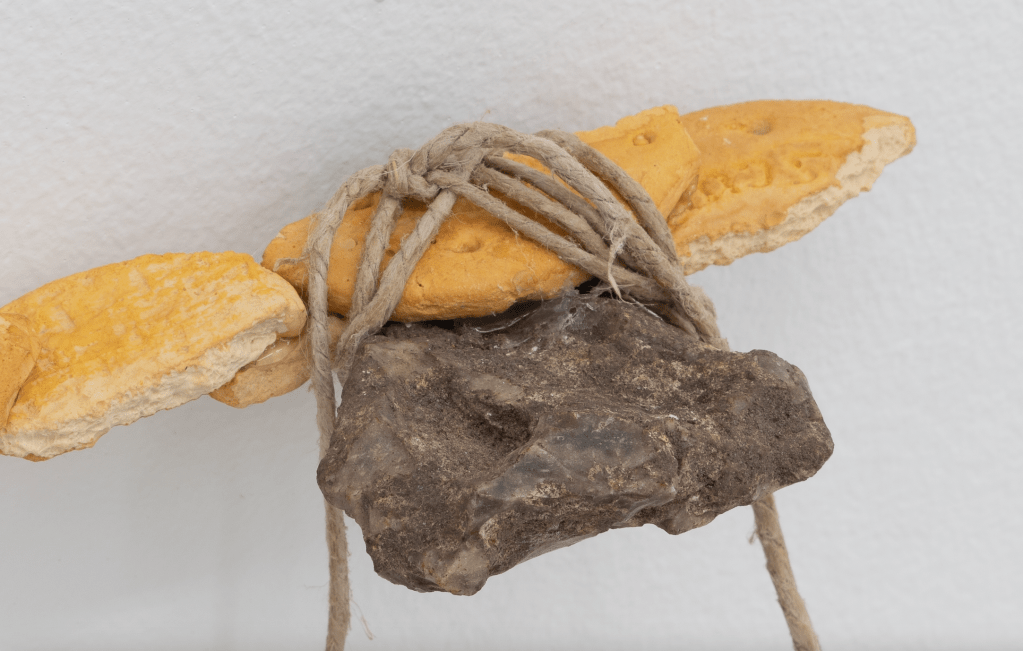
Image: Kåre Frang. Overwhelmed (sketch for a fountain), 2023. Cardboard, glue, paint, toy cars, clear resin, table, chairs, plates, knives, forks, spoons, coffee cups, wooden puzzle (no pieces), laptop, cast and hand painted digestive biscuits, handpainted bronze toy fruit, espresso maker, stack of cell phones.
#v. ugly housing / housing aesthetics
With the fifth issue of Differens Magazine, our intention was to investigate the interplay between aesthetics and morality manifested in our built environment. We wanted to examine historical controversies, often presented as aesthetic affairs but with an underlying moral and political dimension, and discuss how they manifest today.
From the outset, the dichotomy between modernism and traditional architecture has been at the center, together of course with their respectively dichotomized attributes: progress and functionality on the one hand; beauty, history and spirituality on the other. A controversy that finds many examples through the 20th century as well as today, perhaps most obviously with the Architectural Uprising movement.
Somewhat unexpectedly and perhaps naively, we entered a debate that turned out to be pretty infected: two of the writers we invited to participate declined, claiming they had been harassed by spokespersons of the Architectural Uprising and were afraid of what their participation might result in. Others deemed it meaningless to even engage in discussion with them. The Architectural Uprising is a broad movement that engages many people, a movement that touches on issues we might actually need to discuss, but questions of how and under what premises, with what tone, sources and on what platforms are not unimportant. In relation to this movement, our ambition has been to highlight and examine the problems that they address with as much openness as rigour. As an originally philosophical magazine, we wanted to explore how philosophy can shed light on a debate that is both infected and stagnant.
In this issue, you will find contributions written from different views. While Inger Nordangård and Alfred Arvidsson both sympathise with the Architectural Uprising – the former drawing on Nikos A. Salingaros’ definition of harmony as a continuous scaling that can also be found in nature, the latter by arguing for a particular “soullessness” within contemporary architecture – Miriam Weber questions the Architectural Uprising’s advocacy of historic and biophilic design. She problematises the character of spiritual and mental health that the Architectural Uprising suggests traditional and biophilic aesthetics offer and points out argumentative strategies in AU’s constructed dichotomy between ‘alienating modernist styles’ and ‘spiritually fulfilling traditionalism’. In other words, she problematises the premises of this issue.
This problematisation recurs in several contributions. According to architect Emil Bäckström, architecture is a teamwork, a constant wade through a sea of driving forces, a knowledge of how to navigate the complexities that each specific project, site, and material entails. Another architect, Malcolm Fraser, argues that “the Build Back Older brigade” (classicists and traditionalists like the Architectural Uprising) ask the wrong question, and offers an alternative view on architectural aesthetics and politics, rooted in modernist sensibilities of utility and functionality, craft and quality of materials, and the needs of people and community.
With Hans Magnus Enzensberger’s poem ‘the Architect’, translated by Mats O. Svensson, this issue also includes a furious rant about the architects: “terrorists of the right angle,/ idealists of the uninhabitable./ Colour-blind cage builders”. With the Glasgow-based poet and tenant organiser James Roberts, new poetry on housing resistance, opposition, and utopia is presented. Makz Bjuggfält’s ‘Ache and Urinals’, offers the reader a tour through the urinals of Stockholm, tracking the silent traces of queer history through its varying design.
Jelrik Hupkes also investigates the history of Stockholm city, although more precisely the much debated remodeling of Stockholm’s central Klara quarters in the 1960’s. Engaging in a dialogue with Anders Wahlgren’s 1992 film Staden i mitt hjärta (The City in My Heart), Hupkes reminds us that architecture is not static, but reshaped and reclaimed by the day to day-life of its inhabitants.
In ‘Elite Placemaking: How Housing and Neighborhoods Reinforce Class Status’, Krista Paulsen and Jenny Stuber are looking at dynamics involved in elite placemaking, highlighting how affluent groups shape and transform spaces to reflect their status and preferences. They trace the history of this practice from grand estates to modern gated communities and gentrified urban neighborhoods by emphasizing the visual and social markers of exclusion that are typical for these developments.
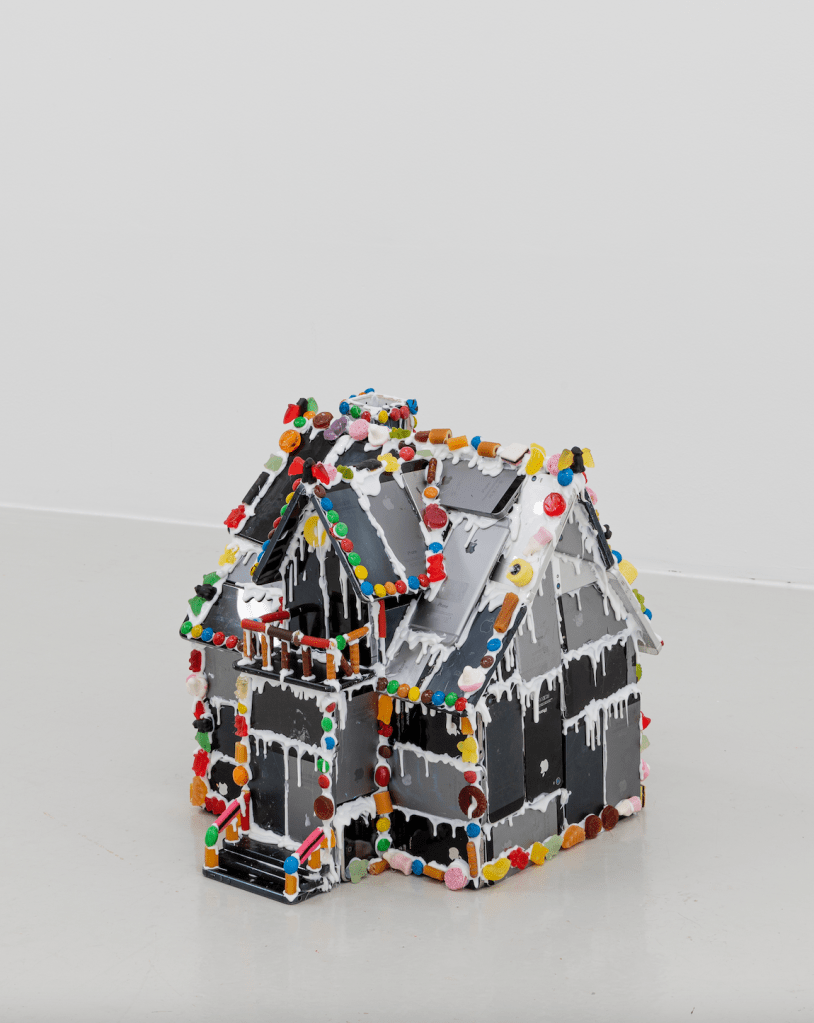
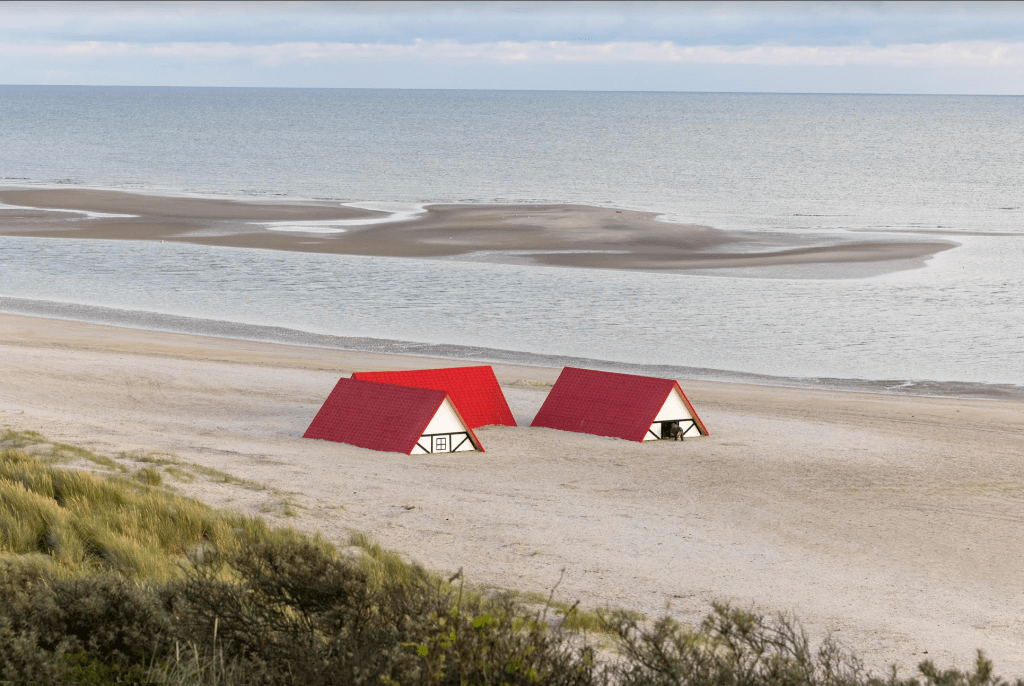
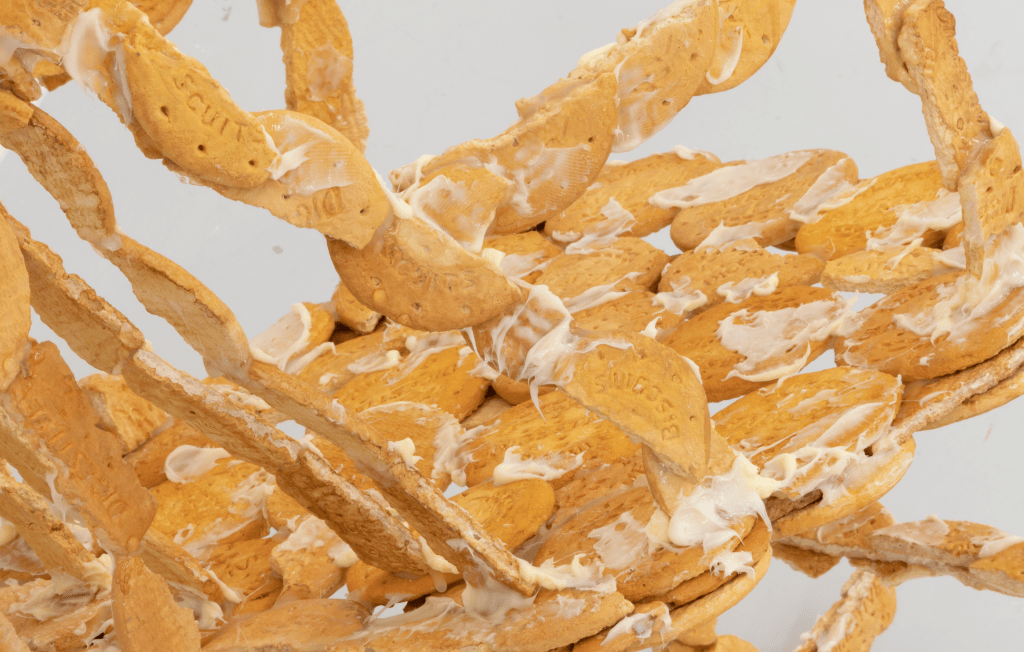
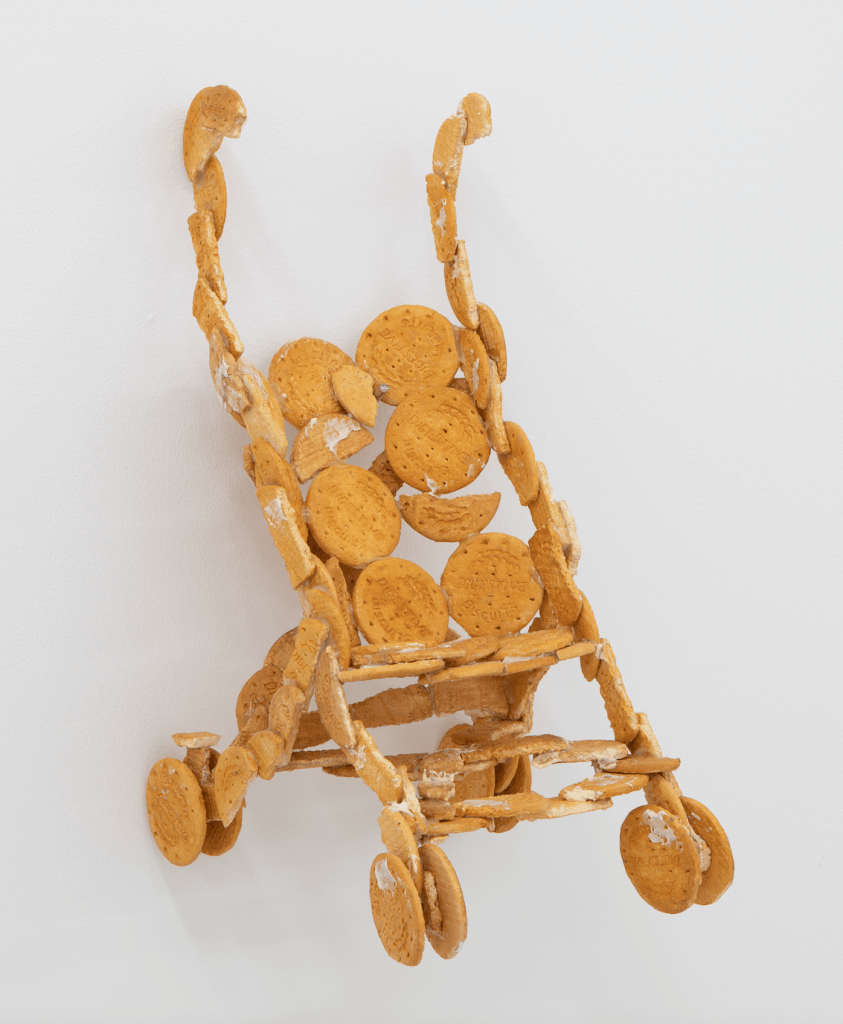
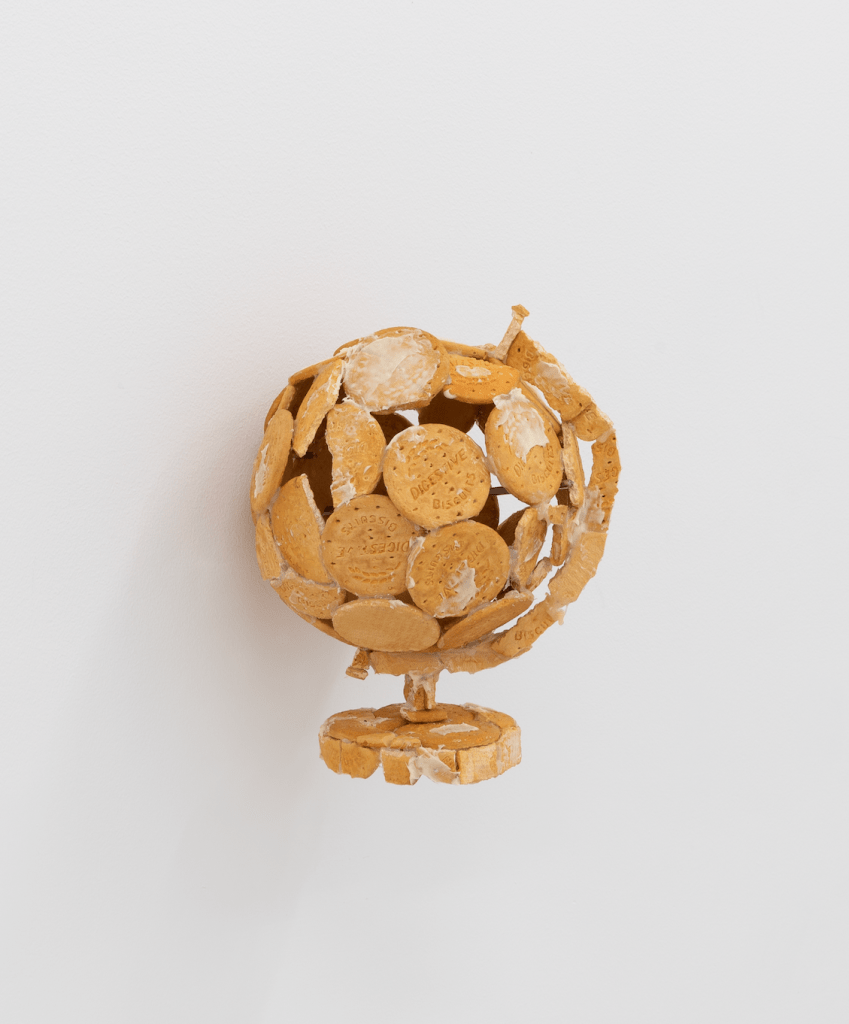
Throughout the issue, we’ve had the pleasure to illustrate our contributions with the visual works of artist Kåre Frang, who is also presented in an exclusive interview. Kåre Frang’s artistry, primarily video and sculpture, often merges mediums within staged environments to explore themes of change and fragilities of everyday life. His works are characterized by the distortion and transformation of familiar objects like children’s games and toys, evoking a sense of estrangement or unease in the viewer, while also exploring notions of shelter, housing, and homes examining how these things—and our interactions with them—transform and hold under various pressures.
Last but not least, Erik Ogenstedt contributes with ‘Ljud för fula hus’ (‘Sounds for Ugly Houses’), a piece that situates the listener in a city-landscape with its noises and sounds seemingly emanating from nowhere and everywhere. A soundscape that is both disturbing and homely, organic and industrial, mechanical and natural.
We hope our readers find as much joy in reading this issue as we did in creating it!
summer 24
art
Kåre Frang
sound
Ljud för fula hus, 2024. Erik Ogenstedt.
contributions
Inger Nordangård. Principles for Harmony
Alfred Arvidsson. On the Inexplicable and the Progressive in Modern Architecture
Miriam Weber. Response to Inger Nordangård and Alfred Arvidsson
Mats. O. Svensson (transl.) Hans Magnus Enzensberger. Architekten / Arkiteter / Architects
Makz Bjuggfält. Ache and Urinals: An Essay on Queer Encounters in Public Spaces
Malcolm Fraser. Building Back Older
James Roberts. Cleansing The Horizon / It Rises Through the Blocks
Krista Paulsen. Elite Placemaking: How Housing and Neighborhoods Reinforce Class Status
editors
Amanda Winberg
Astrid Elander
Klara Hjorth
Jonas Thoresson
Erik Ogenstedt. ‘Ljud för fula hus’ [trans. ‘Sounds for Ugly Houses’], 2024.
Erik Ogenstedt (b. 1985) lives in Stockholm, Sweden, where he works as a librarian. Educated in documentary film- and radio making at Stockholm University of the Arts and at Nordens Folkshögskola Biskops-Arnö, his artistic practice includes diverse genres, such as music videos, documentaries, and video art. He has collaborated with artists such as Aina Myrstener Cello, Most Valuable Players, Marcus Harrling, and August Olsson. His works have been shown at Fylkingen, Uppsala konstmuseum, Pygméteatern, Rönnells and Film i Samtidskonsten.
‘Ljud för fula hus’ (trans. ‘Sounds for Ugly Houses’) is a piece made for Differens Magazine #v. By focusing on the urban sounds of everyday life, a soundscape is created that is both disturbing and homely, organic and industrial, mechanical and natural. It situates the listener in an urban landscape with its noises and sounds seemingly emanating from nowhere and everywhere. This prompts us to think about how the city is planned and experienced sonically. Which sounds are pleasant and which are ugly? Why does the city sound the way it does? And how does it affect the people living there?
Discover more of Erik Ogenstedt’s work on his Vimeo: https://vimeo.com/erikogenstedt
For more information about Kåre Frang, visit his webpage: https://kaarefrang.eu/ or read Differens conversation with him about some of the works featured in the issue.

Image: Kåre Frang. Det bliver mørkt om natten, 2023.
Image: Kåre Frang. Attachments, 2021 – 2023.
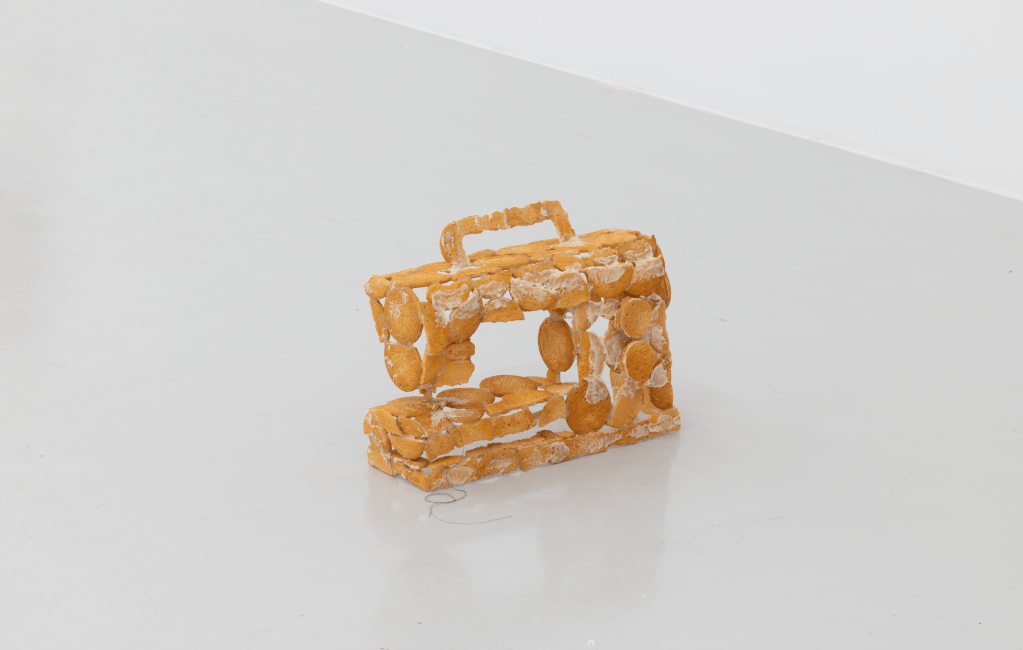
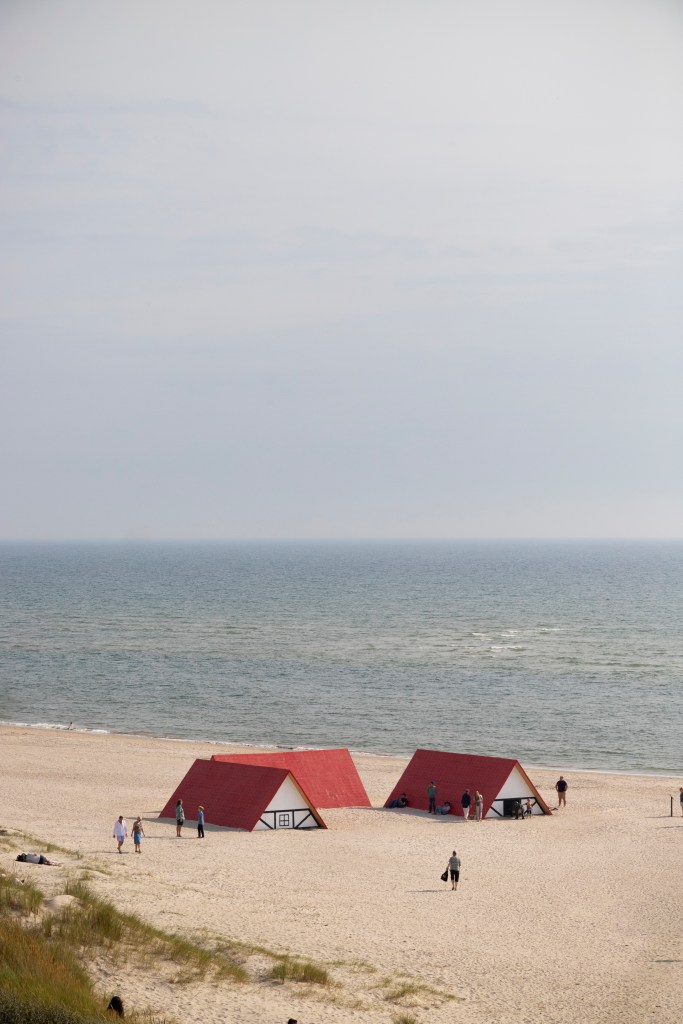
Image: Kåre Frang. Head-in-the-sand, 2023
Image: Kåre Frang. Attention Crisis, 2022.

Makz Bjuggfält. Ache and Urinals: An Essay on Queer Encounters in Public Spaces
Image: Kåre Frang. Attachments, 2021 – 2023.
Mats. O. Svensson (transl.) Hans Magnus Enzensberger. Architekten / Arkiteter / Architects
Image: Kåre Frang. Head-in-the-sand, 2023
James Roberts: Cleansing The Horizon / It Rises Through the Blocks
Image: Kåre Frang. Attachments, 2021 – 2023.
Malcolm Fraser: Building Back Older
Image: Kåre Frang. Overwhelmed, 2024.

DEBATE:
Inger Nordangård: Principles for Harmony
Image: Kåre Frang. Attachments, 2021 – 2023.
Alfred Arvidsson. On the Inexplicable and the Progressive in Modern Architecture
Image: Kåre Frang. Attachments, 2021 – 2023
Miriam Weber: Response to Inger Nordangård and Alfred Arvidsson
Image: Kåre Frang. Attachments, 2021 – 2023
☺
—
For collaborations or contribution with ideas or material, email contribute@differensmagazine.com
For questions concerning the Differens Association, please email tidskriften.differens@gmail.com

Differens Magazine strives to make connections between academic aesthetics and practices within the art world, using contemporary political topics and conflicts to experiment on new ways of thinking together.
ISSN: 2004-495X
© Differens Magazine
Differens Magazine is funded by the Swedish Arts Council, Kulturrådet.
 differensmagazine.com